What Oil Is Best for High Heat Cooking?
Not all cooking oils handle high heat the same way. Here's which oils to use for frying, searing, and roasting — and which to avoid.
By Askento Editorial Team · 4 min read · Apr 1, 2026
Written with AI assistance, grounded in cited sources and checked by automated quality gates. How we create our content
General information only. This article may include AI-assisted content. While we aim for accuracy, verify important details before acting on them. Affiliate disclosure: This page may contain affiliate links. We may earn a commission at no extra cost to you.
This page contains affiliate links. We may earn a commission at no extra cost to you.
Choosing the wrong oil for high-heat cooking leads to burnt flavours, smoke, and potentially harmful compounds. Here's the practical guide.
The Smoke Point
Every oil has a smoke point — the temperature at which it starts to smoke, break down, and produce off-flavours and potentially harmful compounds. For high heat cooking, you need an oil with a smoke point well above your cooking temperature.
Best Oils for High Heat
Avocado oil — Smoke point: ~270°C (520°F)
The highest smoke point of any commonly available cooking oil. Neutral flavour with no coconut or butter character, which makes it genuinely versatile — from searing steaks on a cast iron to deep frying at 180°C+. It does not break down or smoke at temperatures that would destroy other oils.
What to look for: Buy refined avocado oil, not cold-pressed. Refined avocado oil is pale yellow and nearly tasteless; cold-pressed is green and grassy-flavoured (better as a finishing oil than a cooking oil, and has a lower smoke point). For high heat use, refined is the right choice. A 500ml–1L bottle is practical — avocado oil stores well in a cool cupboard.
Cost context: Avocado oil costs more than canola or sunflower. For everyday sautéing on moderate heat, canola is fine. Where avocado oil earns its price is extreme high heat — pan searing at 220°C+, wok cooking, deep frying — where cheaper oils start smoking and breaking down.
Coconut oil — Smoke point: ~175°C (350°F)
Colorado State University's Kendall Reagan Nutrition Center lists coconut oil at 350°F, which puts it closer to butter than to avocado oil. Fine for medium-heat sautéing; for searing, reach for avocado oil or ghee instead.
Ghee (clarified butter) — Smoke point: ~190–250°C (375–485°F), depending on purity
Butter with the milk solids removed — giving it a much higher smoke point than regular butter while keeping a rich, nutty flavour. Excellent for searing and Indian cooking. Also shelf-stable without refrigeration.
What to look for: Grass-fed ghee has a richer flavour that's detectable in finished dishes — worthwhile for searing where the ghee contacts the food directly. For deep frying where the fat is used in volume, standard ghee is fine and costs less. Look for a glass jar rather than plastic — ghee is shelf-stable for months unrefrigerated.
Why ghee over clarified butter you make yourself: Store-bought ghee is more thoroughly clarified than most home cooks achieve — the milk proteins are cooked out more completely, which raises the smoke point and extends shelf life. Making your own is cheaper but inconsistent in quality.
Refined sunflower oil — Smoke point: ~230°C (450°F)
Inexpensive, widely available, neutral flavour. Good for frying and roasting. Choose refined, not cold-pressed (cold-pressed has a lower smoke point).
Vegetable oil / Canola oil — Smoke point: ~205°C (400°F)
The workhorse of everyday cooking. Neutral flavour, affordable, handles most high-heat cooking well. Fine for everyday sautéing, frying, and baking.
Light/refined olive oil — Smoke point: ~200–245°C (390–470°F)
Higher smoke point than extra virgin olive oil. Neutral flavour. Good for roasting.
Oils to Avoid for High Heat
Extra virgin olive oil — Smoke point: ~175°C (350°F)
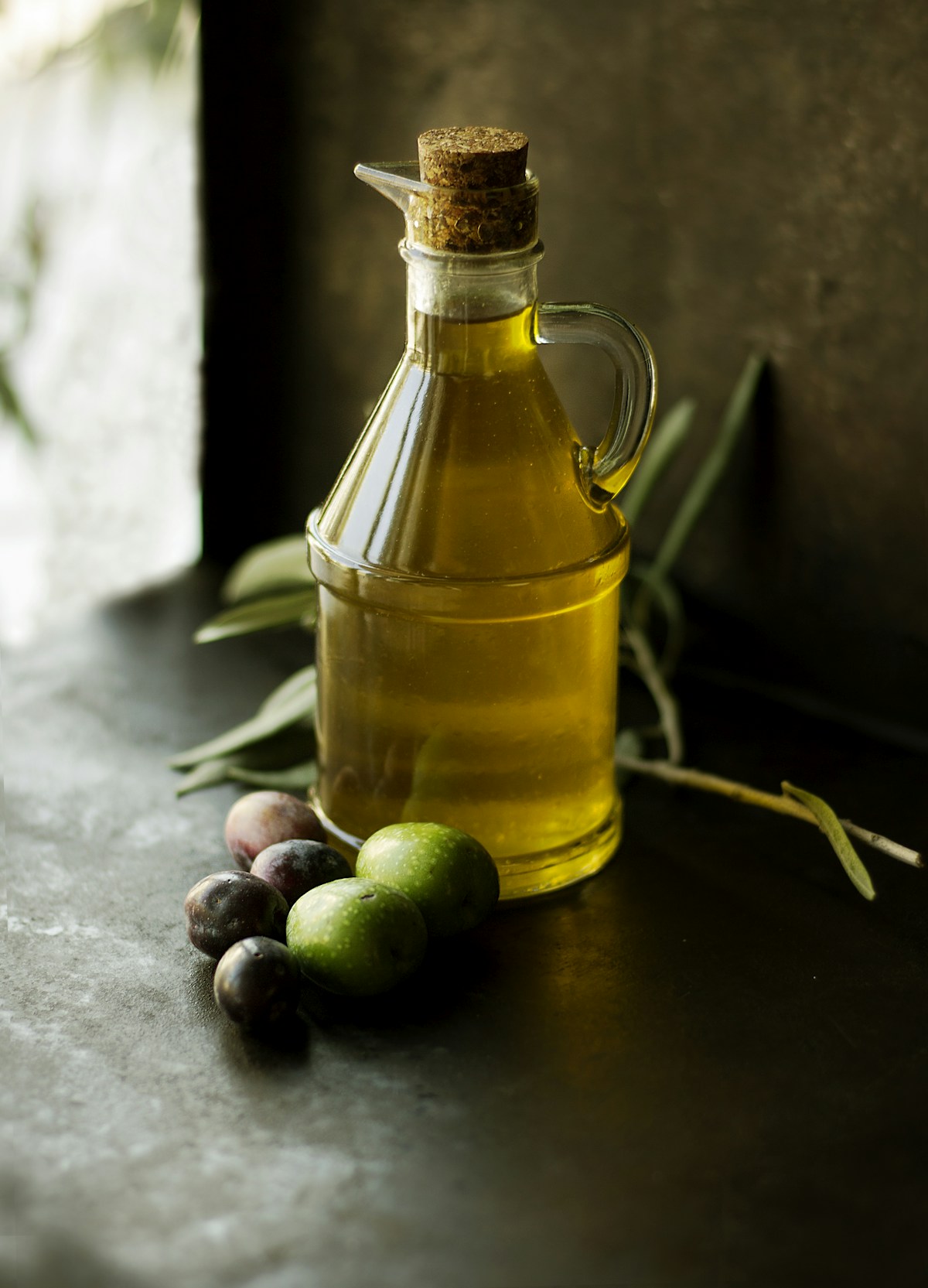
EVOO is pressed without heat, preserving flavour compounds and antioxidants — which are exactly what break down when you heat it. At high temperatures it smokes easily and loses what makes it expensive and good. Save it for dressings, drizzling, and low-heat cooking.
Unrefined flaxseed oil — Smoke point: ~107°C (225°F)
Extremely low smoke point. For dressings only.
Butter — Smoke point: ~175°C (350°F)
The milk solids burn quickly. Fine for low-heat cooking and finishing sauces. For high heat, use ghee instead.
A Practical Guide by Cooking Method
| Method | Temperature | Use |
|---|---|---|
| Deep frying | 170–190°C | Refined sunflower, avocado, canola |
| Searing (very high) | 200°C+ | Avocado oil, ghee |
| Stir-frying | 180–200°C | Avocado, refined sunflower, canola |
| Roasting | 180–220°C | Avocado, canola, refined olive |
| Sautéing | 120–160°C | Most oils including light olive oil |
| Dressings/finishing | Not heated | Extra virgin olive oil, walnut, flaxseed |
Do Refined vs. Unrefined Matter?
Yes — significantly. Refining removes the compounds (pigments, enzymes, flavour molecules) that break down at lower temperatures, raising the smoke point. Unrefined oils have more flavour and nutrients but lower smoke tolerance.
On this page
Sources
Browse topics